
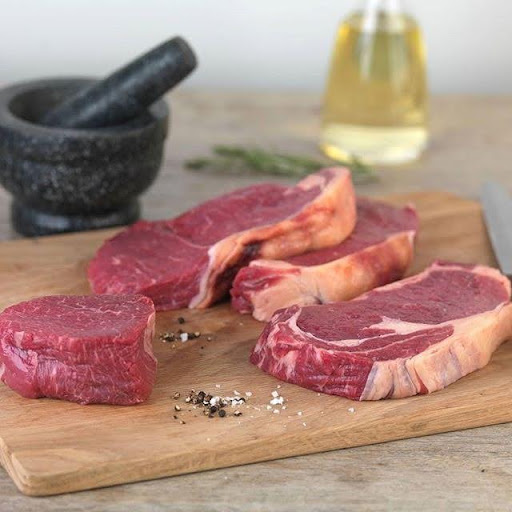
Choosing between two popular steak cuts can come down to more than just personal preference. When comparing ribeye vs sirloin, the biggest differences are usually marbling, tenderness, flavour, and how rich you want your steak to be. Ribeye is known for its generous marbling and buttery texture, while sirloin offers a leaner bite with a more pronounced beefy character. And if you prefer a steak with a firmer texture and bold flavour, a rump steak can be another option worth considering. At Hyperama Diner, exploring different steak cuts makes it easier to find the right steak for your appetite, whether you want something rich and indulgent or leaner and full of flavour.
Ribeye vs Sirloin: Where Each Cut Comes From
The easiest way to understand ribeye vs sirloin is to look at where each cut comes from on the animal and how much that muscle is used. Ribeye comes from the rib section, a relatively inactive area, which helps explain its naturally tender texture and abundant marbling. Sirloin comes from the rear back section, where the muscles do more work, giving the steak a firmer texture and a more pronounced beefy flavour.
This difference is useful when comparing steak cuts because it affects more than tenderness. Ribeye is often the choice for diners who enjoy a rich, juicy steak with plenty of marbling, while sirloin can appeal to those who prefer a leaner cut with a stronger beef flavour. At Hyperama Diner, understanding where each cut comes from can help you choose a steak that matches the texture, richness, and flavour you actually want.
How Marbling Changes the Steak
Marbling refers to the small streaks and flecks of intramuscular fat found throughout a cut of beef. As the steak cooks, this fat melts and helps create a juicier texture, richer mouthfeel, and deeper flavour. The amount and distribution of marbling can vary between cuts, but it is one of the key factors that influences how a steak tastes and feels when you eat it.
Ribeye is generally known for having more marbling than sirloin. This gives it a richer, more buttery texture and makes it particularly appealing to diners who enjoy a juicy, indulgent steak. Sirloin is typically leaner, with less intramuscular fat, resulting in a firmer bite and a cleaner, more pronounced beef flavour.
| Feature | Ribeye | Sirloin |
| Marbling | Generally higher | Generally lower |
| Texture | Rich, juicy and buttery | Firmer and leaner |
| Fat content | More intramuscular fat | Less intramuscular fat |
| Flavour | Rich and full-bodied | Beefy and pronounced |
| Best for | Diners who enjoy a richer steak | Diners who prefer a leaner cut |
Whether you prefer a rich, juicy bite with noticeable marbling or a leaner steak with a firmer texture and bold beef flavour, you can explore both options at the best South African restaurant in Dubai and find the cut that best suits your taste.
Which Cut Is More Tender? Comparing Ribeye and Sirloin
Tenderness is one of the biggest factors to consider when choosing a steak, and it largely comes down to the muscle’s location and how much work it does. Ribeye comes from a relatively less-used muscle area, which generally contributes to its naturally tender texture. Its generous marbling also helps create a softer, juicier bite when cooked well.
Sirloin is typically leaner and comes from a more active part of the animal, so it tends to have a firmer texture. While it can still be tender when properly prepared and cooked, it usually offers more resistance when cut and chewed compared with ribeye.
| Feature | Ribeye | Sirloin |
| Tenderness | Generally more tender | Moderately tender |
| Texture | Soft, juicy and buttery | Firmer and meatier |
| Marbling | Usually higher | Usually lower |
| Mouthfeel | Rich and succulent | Leaner and more substantial |
| Ideal for | Those who prioritise tenderness | Those who enjoy a firmer steak |
For diners who want a steak that feels especially soft and succulent, ribeye is often the stronger choice. Sirloin, however, offers a satisfying balance of tenderness and texture, making it a good option for those who enjoy a more substantial bite.
Rich, Buttery Flavour vs Clean Beefiness
When it comes to ribeye vs sirloin, flavour is one of the clearest differences between the two cuts. Ribeye is prized for its generous marbling, which melts during cooking and creates a rich, buttery mouthfeel with deep, savoury flavour. It is an excellent choice for diners who enjoy a luxurious, juicy steak where the natural richness of the beef takes centre stage.
Sirloin, by comparison, is generally leaner, allowing its straightforward beef flavour to come through more clearly. With less intramuscular fat, it has a cleaner, more pronounced taste and a firmer bite. Neither option is necessarily better—it comes down to whether you prefer the richness of ribeye or the bold, beef-forward character of sirloin.
If you’re curious about how South African steak delivers its distinctive flavour and character, explore where can you experience true South African flavors in Dubai to discover more about traditional steak preparation, charcoal grilling, and the bold flavours that define the South African dining experience.
What You Get for the Price: Comparing Value by Plate
Price is an important part of choosing a steak, but the cheapest option is not always the best value. The overall experience depends on factors such as the cut, portion size, marbling, tenderness, preparation, and what comes with the steak. A richer cut may cost more, but its flavour and texture can make it worthwhile for diners looking for a more indulgent meal.
Ribeye will often command a higher price because of its marbling and desirable eating qualities, while sirloin can offer a more accessible way to enjoy a quality steak without as much richness. Rump steak is another option for diners who prioritise a hearty beef flavour and satisfying portion over a softer, more buttery texture.
At Hyperama Diner, comparing the value of each plate means looking beyond the price alone. Consider how much you enjoy the cut, how it is prepared, the portion you receive, and the overall dining experience when deciding which steak offers the best value for you.
How Should Each Steak Be Cooked?
The cooking method can make a noticeable difference to the final texture, juiciness, and flavour of a steak. While both cuts benefit from high heat, the ideal approach depends on their fat content and thickness. Ribeye generally performs well with a hot, quick sear that creates a caramelised crust while allowing its marbling to melt into the meat. For thicker cuts, finishing over a slightly lower heat can help achieve an even internal temperature without overcooking the exterior.
Sirloin is leaner, so careful cooking is important to prevent it from becoming dry. A high-heat sear can create a flavourful crust quickly, followed by controlled cooking to reach the desired level of doneness. Allowing the steak to rest before slicing also helps retain its juices.
| Cut | Recommended approach | What it achieves |
| Ribeye | High-heat sear, then controlled cooking if needed | Develops a crust while rendering the marbling |
| Sirloin | Quick high-heat sear with careful finishing | Creates a browned exterior while preserving tenderness |
Why Doneness Matters More for Sirloin
Getting the doneness right is especially important when cooking sirloin because it contains less intramuscular fat than richer cuts. With less fat to provide moisture and richness during cooking, sirloin can lose its tenderness more quickly when exposed to high temperatures for too long. Overcooking can result in a noticeably firmer, drier texture and reduce some of the qualities that make the cut enjoyable.
Ribeye is generally more forgiving because its higher marbling provides additional fat that melts as the steak cooks, helping maintain a juicy, rich texture. This does not mean ribeye cannot be overcooked, but it tends to retain more moisture and flavour as it moves beyond the ideal level of doneness.
For the best result, pay close attention to cooking time and internal temperature rather than relying solely on appearance. Allowing the steak to rest after cooking also gives the juices time to redistribute, helping preserve a tender, satisfying bite.
Rump Steak: The Middle Ground Between Ribeye and Sirloin
Rump steak sits in an interesting position when comparing popular beef cuts. It is generally leaner and firmer than ribeye, while offering a hearty, beef-forward character that many diners enjoy. Compared with sirloin, rump can have a more robust texture and stronger bite, making it a good choice for those who want a satisfying steak without the richness of heavily marbled cuts.
Its firmer texture also means that cooking it carefully is important. Rump is well suited to high-heat cooking that develops a browned crust while keeping the centre from becoming overly dry. When cooked to the right level of doneness and allowed to rest, it can deliver plenty of flavour and a satisfying texture.
For diners choosing between these three options, ribeye is typically the richer and more indulgent choice, sirloin offers a leaner balance of tenderness and beefy flavour, while rump provides a more robust, substantial eating experience. The best choice ultimately comes down to how much richness, tenderness, and texture you want from your steak.
Whether you prefer the rich marbling of ribeye, the balanced character of sirloin, or the robust flavour of rump, the right cut can make your steak experience even more enjoyable. If you want to explore how these flavours come together in a wider South African dining experience, discover our guide to the best South African restaurant in Dubai for sharing platters and flame grills, featuring hearty dishes designed to be enjoyed around the table
Choosing the Right Steak for Your Occasion, Appetite and Budget
The choice between ribeye vs sirloin often comes down to more than flavour and tenderness. Your occasion, appetite, and budget can all influence which cut makes the most sense. If you are planning a special dinner or simply want a rich, indulgent steak, ribeye is a natural choice thanks to its generous marbling and buttery texture. For a more balanced everyday meal, sirloin offers a leaner bite with a pronounced beef flavour and can be a practical option when you want quality without as much richness.
Your appetite matters too. A generously marbled ribeye can feel more substantial and satisfying, while sirloin may suit diners who prefer a leaner steak. If you are dining with friends or family and want to try a variety of flavours, choosing different cuts to share can also make the meal more enjoyable.
Budget is another consideration. Rather than choosing purely by price, think about what you value most from your steak. Ribeye may be worth the extra spend when tenderness, marbling, and richness are the priority, while sirloin can provide an appealing balance of flavour and value. Ultimately, the best steak is the one that matches what you want from the meal.
Understanding Sirloin Terminology Across Countries
Steak terminology can vary between countries, so a cut labelled “sirloin” does not always refer to exactly the same portion of beef. In South Africa and the UK, sirloin generally refers to a loin cut that is closely associated with what many international markets call striploin. In the United States, however, “sirloin” commonly refers to cuts from the sirloin section, including top sirloin, which comes from a different part of the animal.
| Market | How “sirloin” is commonly used | What this means for diners |
| South Africa | Loin-area steak | Terminology can differ from US naming |
| UK | Loin-area steak | Often associated with striploin terminology |
| United States | Sirloin section, including top sirloin | Can refer to a different cut and eating experience |
This distinction matters when comparing steaks from different countries. A menu describing a steak as sirloin may not always be referring to the same cut you would expect elsewhere. When ordering, it is worth checking the restaurant’s description, the cut’s location, country of origin, and preparation method rather than relying on the name alone.
What Beef Will You Find on UAE Steakhouse Menus?
UAE steakhouse menus can feature beef from major producing regions such as Australia, South Africa and Brazil, with some restaurants also highlighting the animal’s breed, country of origin, feeding programme, or ageing process. These details can be useful when comparing steaks because two cuts with the same name may still offer noticeably different flavour, marbling and texture depending on how the beef was produced.
Australian beef can include grain-fed Angus and other premium beef programmes, while South African and Brazilian beef may also appear on menus across the UAE. However, the exact cuts and specifications vary from restaurant to restaurant, so checking the menu description can give you a clearer idea of what you are ordering.
Grain-Fed vs Grass-Fed: How Feeding Can Change the Steak
The animal’s feeding programme can influence the characteristics of the beef, particularly its marbling, richness and flavour. Grain-fed beef is often associated with increased marbling and a richer, more buttery eating experience, while grass-fed beef is commonly associated with a leaner texture and a more pronounced beef flavour. These differences can influence how two otherwise similar steaks compare on the plate.
This is particularly relevant when considering ribeye vs sirloin. A highly marbled, grain-fed ribeye may taste considerably richer than a leaner grass-fed sirloin. On the other hand, comparing two steaks produced under similar feeding programmes can make the differences attributable to the cuts themselves easier to appreciate.
When ordering steak in the UAE, therefore, look beyond the cut name. Country of origin, feeding programme, marbling, grade, portion size and cooking method can all influence the final eating experience. Understanding these details can help you make a more informed choice between ribeye, sirloin and other steak cuts.
Where to Enjoy Ribeye and Sirloin in Dubai and Abu Dhabi
If you have been comparing ribeye vs sirloin and want to experience the difference for yourself, Hyperama Diner offers a South African-inspired setting where steak lovers can explore different flavours, textures, and cuts. Whether you prefer the rich marbling and buttery character of ribeye or the leaner, more pronounced beef flavour of sirloin, choosing between the two ultimately comes down to the kind of steak experience you enjoy most.
With locations in Dubai and Abu Dhabi, Hyperama Diner makes it convenient to enjoy a satisfying steak meal whether you are dining casually, meeting friends and family, or looking for a hearty South African-inspired dining experience.
Hyperama Dubai
Al Quoz 1, 5A Street, Al Shafaar Building
📞 +971 58 108 8786
Hyperama Abu Dhabi
Khalifa City Central Mall, Second Floor
📞 +971 52 375 8076
Whether you choose the richness of ribeye, the leaner character of sirloin, or another cut that suits your appetite, Hyperama Diner gives you the opportunity to enjoy steak in a welcoming South African-inspired setting. Visit your nearest Hyperama location, explore the menu, and discover the cut that suits your taste.