
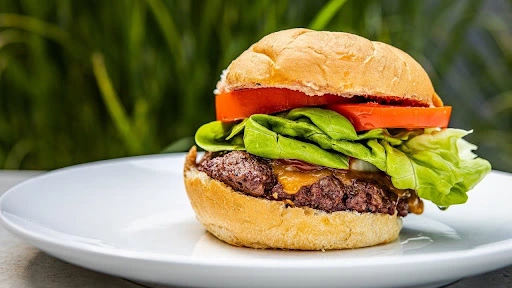
Grilling the perfect burger medium rare comes down to three essentials: choosing the right beef blend, using a properly heated grill, and checking the internal temperature with an instant-read thermometer. The goal is to create a beautifully browned crust while keeping the centre juicy and tender. From shaping the patty correctly to knowing when to flip and remove it from the heat, a few simple techniques can help you achieve a more consistent result.
For burger lovers in the UAE, mastering these techniques can also help you understand what separates an average burger from the best burgers in Dubai. The quality of the beef, the fat content, cooking temperature, patty thickness, and finishing touches all contribute to the final result. In this guide, we will explain how to grill a burger medium rare, cover the key temperatures and techniques to know, and highlight the common mistakes that can leave a burger dry or overcooked.
What Makes a Perfect Medium-Rare Burger?
A perfect medium-rare burger is all about finding the right balance between a deeply browned exterior and a juicy, tender centre. The patty should develop a flavourful crust from the heat of the grill while retaining enough moisture inside to keep every bite succulent. The texture should feel tender rather than dense or dry, with the beef remaining the star of the burger.
Balanced seasoning plays an important role in bringing out the natural flavour of quality beef. A simple combination of salt and pepper can enhance the meat without overpowering it, while the right cooking technique helps maintain a juicy, tender centre. For burger lovers exploring the flavours and generous portions associated with the best South African restaurant in Dubai, the same principle applies: quality ingredients and thoughtful preparation can make a noticeable difference to the overall dining experience.
Some burger enthusiasts prefer medium-rare for its juicy texture and pronounced beef flavour compared with higher levels of doneness. However, because ground beef requires careful food-safety handling, cooking temperatures should always be considered alongside personal preference.
Choose the Right Beef for Your Burger
The quality of the beef plays a major role in creating a juicy, flavourful burger. For a well-balanced patty, look for a fat-to-lean ratio of around 80:20, as the fat helps keep the meat moist and adds richness as it cooks. Using beef that is too lean can result in a dry, firm burger, particularly when cooked over high heat. Freshly ground beef is often preferable to heavily processed or pre-formed patties because it allows you to have better control over the texture, freshness, and fat content.
Different beef cuts can also be blended to create the desired balance of flavour and tenderness. Chuck is a popular choice because it offers a good combination of beefy flavour and fat, while brisket or short rib can be added to create a richer, more indulgent patty. Most importantly, avoid overworking the meat when forming your burgers. Gently shape the beef into a patty without compressing it too tightly, as excessive handling can make the finished burger dense rather than tender.
How to Shape the Perfect Burger Patty
Getting the patty shape right is an important step when learning how to grill the perfect burger medium rare. Start with a portion of freshly ground beef and gently shape it into an even patty, ideally around ¾ to 1 inch thick. Avoid squeezing or compressing the meat too firmly, as overworking the beef can create a dense texture instead of the tender bite you want from a well-grilled burger.
Make a small indentation in the centre of the patty with your thumb before placing it on the grill. This helps minimise the tendency of the burger to puff up in the middle as it cooks, allowing it to maintain a more even shape. It is also worth making the patty slightly wider than the bun, as beef naturally shrinks during grilling. A properly shaped patty should fit the bun comfortably once cooked, leaving you with an even, satisfying bite from edge to edge.
Explore our menu to discover more delicious varieties of burgers offered at Hyperama Diner.
How to Prepare the Grill
A properly prepared grill is essential for achieving a well-seared, juicy burger. Start by preheating the grill thoroughly before adding your patties. A hot cooking surface helps the beef develop a rich, browned crust while reducing the chance of the meat sticking to the grates. Once the grill is hot, clean the grates with a suitable grill brush and lightly oil them if needed to create a better cooking surface.
For burgers, direct heat is generally best for creating a strong sear, while indirect heat can be useful if a thicker patty needs additional cooking without excessive browning on the outside. If your grill has multiple heat zones, you can use direct heat for the initial sear and move the burger to a cooler area when necessary. Maintaining a consistent temperature throughout cooking also helps you achieve more predictable results.
Avoid placing burger patties on a cold or insufficiently heated grill. Without enough heat, the meat can cook unevenly, stick to the grates, and miss the caramelised exterior that gives a grilled burger its distinctive flavour and texture. If you enjoy exploring the rich grilling traditions behind South African food, discover how South African cuisine blends grill, seafood, and comfort food to learn more about the flavours and cooking styles that bring these dishes together.
How to Grill a Burger Medium Rare
Learning how to grill a medium-rare burger is about controlling the heat, timing the cooking process, and checking the internal temperature rather than relying on appearance alone. A properly grilled burger should have a well-browned exterior while remaining juicy inside. Follow these steps for a consistent result:
- Prepare and season the patty: Shape the beef gently into an even patty and season both sides with salt and pepper just before grilling.
- Preheat the grill: Heat the grill thoroughly before adding the burger. A properly heated grill helps create a better sear and reduces sticking.
- Place the burger over direct heat: Position the patty directly over the hottest part of the grill to begin developing a browned crust.
- Let the first side sear: Allow the burger to cook undisturbed until the underside develops a deep, appetising crust. Avoid pressing down on the patty, as this can release valuable juices.
- Flip the burger once: Turn the patty carefully and allow the second side to cook without repeatedly flipping it.
- Check the internal temperature: Use an instant-read meat thermometer to determine doneness accurately. Cooking time varies depending on the patty’s thickness, grill temperature, and other factors.
- Add cheese if desired: If you’re making a cheeseburger, place the cheese on top during the final stage of cooking and allow it to melt.
- Rest briefly before serving: Once cooked, transfer the burger to a clean plate and let it rest briefly before assembling. This gives the juices time to redistribute through the patty.
Burger Temperature Guide
Burger doneness is often described using terms such as rare, medium rare, medium, medium well, and well done. These labels are useful for describing texture and appearance, but they should not be treated as food-safety recommendations for ground beef. Because grinding can distribute bacteria throughout the meat, burgers require particular attention to safe cooking practices.
| Doneness | Approx. Internal Temperature |
| Rare | 120–125°F |
| Medium Rare | 130–135°F |
| Medium | 135–145°F |
| Medium Well | 145–155°F |
| Well Done | 160°F+ |
These temperatures are approximate culinary doneness ranges rather than universal safety targets. Cooking conditions can vary, so an instant-read food thermometer is the most reliable way to check the burger’s internal temperature.
A Note About Burger Food Safety
Unlike whole cuts of beef, ground beef can have bacteria distributed throughout the meat during grinding. As a result, a medium-rare burger may carry greater food-safety risks than a fully cooked burger. If you are preparing burgers at home, follow applicable food-safety guidance and use a reliable food thermometer rather than relying on colour or cooking time alone.
For anyone who is particularly vulnerable to foodborne illness, following stricter food-safety recommendations is especially important. Restaurants should also follow their applicable local food-safety regulations and approved cooking procedures.
The exact cooking time will depend on factors such as patty thickness, starting temperature, grill heat, and cooking method. The safest approach is to prioritise established food-safety guidance rather than treating medium rare as a universally safe temperature.
Once you have mastered the basics of grilling a burger, the next step is enjoying one prepared with bold flavours and quality ingredients. If you would rather leave the grilling to the experts, explore Hyperama Diner’s fast food menu for freshly prepared burgers and South African-inspired favourites made to order.
When Should You Flip a Burger?
For a classic grilled burger, flipping once is generally enough. Let the first side cook undisturbed until the patty develops a browned crust and releases from the grill grates more easily. Then flip it carefully and allow the second side to cook. Avoid repeatedly moving the burger, as this can interfere with consistent crust development.
Rather than relying on cooking time alone, use an instant-read thermometer to check the internal temperature. Patty thickness, grill heat, and starting temperature can all affect how quickly the burger cooks.
Once you have mastered the basics of grilling a burger, there is plenty more to explore beyond the classic patty and bun. For a taste of bold flavours, hearty portions, and flame-grilled favourites, discover African fast food comfort dishes to try and explore the comforting dishes that go beyond burgers.
Should You Press Down on a Burger While Grilling?
For a traditional grilled burger, avoid pressing down on the patty with a spatula. Pressing can force juices out of the meat and leave the burger drier. Instead, allow the patty to cook undisturbed and flip it gently when it has developed a good crust.
Smash burgers are different. The beef is deliberately pressed onto a hot cooking surface to create a thin patty with crisp, caramelised edges. This technique is part of the cooking method rather than a mistake.
When to Add Cheese and Other Toppings
The right toppings can enhance a burger without taking attention away from the beef. Add cheese during the final minute or two of grilling, so it has enough time to melt without overcooking the patty. At the same time, lightly toast the bun on the grill for a warm, crisp surface that holds the fillings together.
Keep fresh toppings such as lettuce, tomato, and onion simple and evenly layered. Pickles can add a sharp, tangy contrast, while a well-chosen sauce brings extra moisture and flavour. The key is balance. Use toppings that complement the beef rather than piling on so many ingredients that the burger becomes difficult to eat or loses its grilled flavour.
Common Burger Grilling Mistakes to Avoid
Even experienced home cooks can make small mistakes that affect the texture and flavour of a burger. Avoid these common problems:
- Cold grill: Preheat the grill before cooking.
- Too-lean beef: Insufficient fat can produce a dry burger.
- Overworked patty: Handle the beef gently when shaping.
- Very thin patty: Thin patties can cook too quickly and dry out.
- Pressing the patty: Avoid this with a traditional grilled burger.
- Repeated flipping: Allow each side to develop its crust.
- Guessing doneness: Use an instant-read thermometer.
- Forgetting the bun: Toasting adds texture and helps prevent sogginess.
- Skipping the rest: Let the burger rest briefly before serving.
What Makes the Best Burgers in Dubai Stand Out?
Finding the best burgers in Dubai is about more than choosing a loaded burger with plenty of toppings. Quality beef, properly cooked patties, fresh ingredients, and a good bun-to-patty ratio all contribute to a satisfying burger. Consistent cooking is equally important, ensuring the patty has the right texture and doneness every time, while flavourful sauces should complement rather than overpower the beef.
Portion size also matters, but bigger is not always better. The best burgers offer a balanced combination of meat, bun, toppings, and sauce in every bite. For burger lovers looking for hearty portions and a relaxed dining experience, Hyperama Diner brings its South African-inspired approach to the Dubai food scene, making it a worthwhile option when you’re craving a flavourful burger.
Why Choose Hyperama Diner for Burgers in Dubai?
For burger lovers who enjoy generous portions, bold flavours, and a relaxed dining atmosphere, Hyperama Diner offers a casual spot to enjoy burgers and other South African-inspired favourites. Its burger selection and beef-focused menu make it a convenient choice when you’re looking for a satisfying meal without an overly formal dining experience.
Located in Al Quoz 1, Hyperama Diner is also well-suited to families, groups, and anyone looking for a relaxed place to enjoy a hearty meal. The combination of generous portions, approachable flavours, and a casual diner setting makes it a practical option for a burger outing in Dubai.
Visit Hyperama Diner or get in touch with the team:
Dubai
📞 +971 58 108 8786
📍 Al Quoz 1, 5A Street, Al Shafaar Building
Abu Dhabi
📞 +971 52 375 8076
📍 Khalifa City Central Mall, Second Floor