
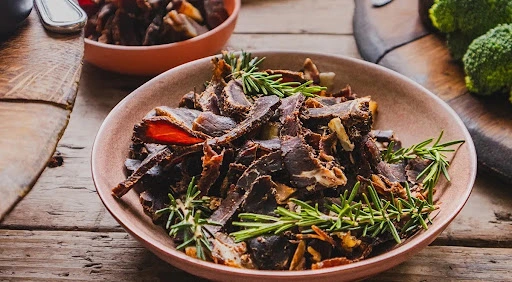
If you’ve ever wondered what is biltong, you’re about to discover why this traditional South African dried meat has become a favourite far beyond its home country. Made by curing and air-drying seasoned cuts of meat, Biltong is known for its rich, savoury flavour and satisfying texture. Its deep connection to South African food culture makes it a popular choice for anyone looking to experience traditional flavours at a South African restaurant in Dubai.
While Biltong vs Jerky is a common comparison, the two are prepared differently, giving each its own distinctive taste and texture. Biltong is typically cured with vinegar and spices before being air-dried, while jerky is generally sliced thinner and cooked or dried with heat. Another South African favourite, Droëwors, takes a similar curing approach but uses seasoned sausage meat, offering a completely different way to enjoy traditional dried meat.
At Hyperama, you can explore authentic South African favourites and discover what makes Biltong, Droëwors, and other traditional foods so popular. In this guide, we’ll look at what Biltong is, how it is made, how it compares with jerky, and why South Africans continue to swear by it.
What Is Biltong? Understanding the South African Classic
Biltong is a traditional South African dried meat snack made by curing strips or cuts of meat with a combination of vinegar, salt, and spices before allowing them to air-dry. The process removes moisture from the meat while helping develop the deep, savoury flavour and firm yet tender texture that biltong is known for.
Traditionally made with beef, biltong can also be prepared using other types of meat. The meat is usually cut into strips, seasoned, cured, and hung to dry in controlled conditions. The drying time can vary depending on the thickness of the meat and the preferred texture, with some people enjoying it softer and moister while others prefer a firmer, drier bite.
More than simply a snack, biltong has become an important part of South African food culture. It is commonly enjoyed on its own, served as part of a snack platter, or shared at social gatherings. Its combination of bold seasoning, concentrated flavour, and satisfying texture has helped make it a popular choice for anyone looking to experience a distinctive South African food tradition.
The South African Origins and Tradition Behind Biltong
The story of Biltong is closely connected to South Africa’s history of preserving meat for long journeys and changing conditions. Early preservation methods involved curing meat with salt and spices before air-drying it, allowing it to last much longer without refrigeration. Over time, these practical techniques developed into the distinctive preparation that people recognise today.
If you have ever searched for what biltong is, understanding its origins helps explain why it remains such an important part of South African food culture. The name is generally associated with Dutch and Afrikaans words referring to the rear or rump of an animal and a strip or tongue of meat, reflecting the traditional way the meat was cut and prepared.
As the tradition evolved, families and communities developed their own preferences for seasoning, curing time, thickness, and drying, helping Biltong become a cherished part of South African culinary heritage and a popular choice for those seeking the best South African food in Dubai.
How Is Biltong Made? From Curing to Air-Drying
Making traditional biltong involves a straightforward but carefully controlled process that gives the meat its distinctive flavour, texture, and character. The preparation typically begins with quality cuts of meat, which are trimmed and sliced into suitable strips before being seasoned.
The meat is then treated with vinegar, which plays an important role in the curing process. It helps prepare the meat for drying while adding a subtle tang that balances the richness of the finished product. Salt, pepper, coriander, and other seasonings may also be added, with recipes varying according to regional and family traditions.
After curing, the seasoned meat is hung in a well-ventilated environment to air-dry. Depending on the thickness of the cuts and the desired texture, the drying stage can take around 4-7 days. Thinner pieces may dry more quickly, while thicker cuts generally require additional time.
Throughout the drying process, moisture gradually leaves the meat, concentrating its flavour and creating the firm texture associated with traditional biltong. The result is a savoury, naturally dried meat that can be enjoyed on its own or served as part of a snack platter.
What Meat Cuts Are Used for Biltong?
The choice of meat plays an important role in the final flavour and texture of biltong. Traditionally, lean beef cuts are preferred because they dry well while retaining a satisfying, meaty texture. Silverside and topside are two of the most commonly used cuts, offering the lean profile and firm structure needed for a well-balanced result.
Silverside comes from the hindquarter of the animal and is naturally lean, making it particularly well suited to curing and air-drying. It can produce slices with a firm texture while allowing the seasoning to complement the natural flavour of the meat.
Topside is another popular choice, valued for its lean character and relatively even shape. Its consistent texture makes it practical for cutting into strips and drying evenly. The thickness of each piece can also be adjusted depending on whether a softer, meatier centre or a firmer finish is preferred.
While silverside and topside are traditional choices, the exact cut can vary between recipes and personal preferences. What matters most is using quality meat and preparing it carefully so the curing and drying process can bring out its full flavour.
Biltong and Beef Jerky: What Sets Them Apart
The Biltong vs Jerky comparison often comes down to how each snack is prepared, seasoned, and dried. While both are made from meat and designed to preserve it, their traditional methods create noticeable differences in flavour and texture.
Biltong is typically made from thicker cuts of meat that are cured with vinegar, salt, and spices before being air-dried. This slower process gives it a rich, savoury flavour and a texture that can range from tender and moist to firm and chewy.
Beef jerky, on the other hand, is usually sliced into thinner strips and dried using heat. It often has a firmer, chewier texture, with seasoning varying from smoky and sweet to spicy or savoury.
Biltong and Beef Jerky Comparison at a Glance
| Feature | Biltong | Beef Jerky |
| Preparation | Cured with vinegar, salt, and spices | Usually seasoned and dried with heat |
| Cut | Generally made from thicker strips or larger cuts | Usually sliced into thinner strips |
| Drying method | Traditionally air-dried | Commonly dried or cooked using heat |
| Texture | Can range from soft and tender to firm | Typically firmer and chewier |
| Flavour | Rich, savoury, and often mildly tangy | Can be smoky, sweet, spicy, or savoury |
| Traditional style | South African air-dried meat | Thinly sliced, heat-dried meat |
| Overall experience | Meaty, rich, and traditionally cured | Chewy, concentrated, and often more intensely seasoned |
Exploring Droëwors and Traditional Dried Meat Favourites
Droëwors is another well-known South African dried meat delicacy, traditionally made from seasoned sausage meat that is cured and air-dried. Unlike sliced dried meat, it is prepared in a sausage form, giving it a distinctive shape and a firm, satisfying texture.
Traditionally, Droëwors is made using beef or a combination of meats, with spices such as coriander adding its characteristic savoury flavour. Like other traditional dried meat products, the preparation method helps create a snack that is convenient to store, carry, and enjoy without extensive preparation.
Beyond Droëwors, South African dried meat traditions include different recipes, seasonings, meat combinations, and drying styles. These variations reflect the country’s diverse culinary heritage while offering plenty of options for those who enjoy hearty, flavourful meat snacks.
If you enjoy discovering traditional South African flavours like Droëwors, there is plenty more to explore beyond dried meat snacks. From hearty classics to satisfying street-style favourites, discover more African comfort dishes to try and explore the diverse flavours served at Hyperama Diner.
Wet or Dry Biltong: Which Style Should You Choose?
When learning what is biltong, one of the first choices you may come across is whether to try a wetter or drier style. The difference mainly comes down to drying time and the amount of moisture retained in the meat.
Wet biltong is softer, more tender, and retains more moisture, making it ideal for those who enjoy a meatier bite. Dry biltong is firmer and chewier, with a more concentrated flavour that appeals to those who prefer a traditional dried-meat texture.
If you are trying biltong for the first time, wet biltong can be an approachable starting point because of its softer texture. Those who enjoy a firmer, more intense bite may prefer the dry variety. Ultimately, the best choice depends on your preferred texture and flavour intensity.
Understanding the Nutritional Profile of Biltong
Alongside its bold flavour and satisfying texture, biltong offers a nutritional profile worth considering when choosing a convenient meat snack. The table below provides a quick overview of its key nutritional aspects, including protein, sugar, and sodium.
| Nutritional aspect | What to know |
| Protein | Because biltong is made from concentrated cuts of meat, it can be a protein-rich snack, although its nutritional values vary by product and preparation method. |
| Sugar | Traditional biltong generally contains little sugar, although the amount can vary depending on the recipe, seasoning, or preparation method. Some flavoured varieties may contain added sugar. |
| Sodium | Salt is an important part of the curing process, so biltong can contain a relatively high amount of sodium. The exact level depends on how the meat is seasoned and cured. |
| Overall | Biltong can be enjoyed as part of a balanced diet, but portion size matters, particularly for varieties with higher sodium levels. Checking the product’s nutritional information can help you make an informed choice. |
How Biltong Fits Into Everyday South African Life
Biltong is more than just a dried meat snack in South Africa; it is a familiar part of everyday food culture. It is commonly enjoyed straight from the packet, sliced into smaller pieces for sharing, or served alongside other snacks at social gatherings, sporting events, and family occasions.
It can also be used to add a savoury, meaty flavour to dishes such as salads, sandwiches, pizzas, and snack platters. Many South Africans enjoy having it readily available at home, making it an easy choice whenever a quick and flavourful bite is needed.
Want to experience authentic South African flavours for yourself?
Explore our selection and contact us to discover more about our menu and traditional favourites.
Keeping Biltong Fresh in the UAE’s Humid Climate
The UAE’s heat and humidity can affect dried meat, making proper storage especially important. Biltong should be kept in a cool, dry, well-ventilated place and protected from excess moisture. Avoid leaving it exposed to warm, humid air for long periods, particularly during the hotter months.
For longer storage, follow the product’s packaging instructions and consider refrigeration when recommended. If refrigerated, keep the biltong in a suitable container or packaging to protect it from moisture and strong food odours. If refrigerated, keep the product properly sealed and follow the storage instructions on the packaging.
Always check for unusual odours, excessive moisture, or visible signs of spoilage before eating. When buying biltong in the UAE, choosing properly packaged products and following the recommended storage instructions can help maintain their quality in the Gulf climate.
Where to Buy Authentic Biltong in Dubai and Abu Dhabi
If you are looking to enjoy authentic South African flavours in the UAE, Hyperama makes it easy to find biltong in both Dubai and Abu Dhabi. With branches in two convenient locations, you can visit Hyperama to explore biltong and other South African favourites in a welcoming setting.
For South African food lovers in the UAE, Hyperama provides a convenient way to discover familiar dishes and traditional favourites in Dubai and Abu Dhabi. Whether you already enjoy biltong or are trying it for the first time, visiting Hyperama allows you to explore South African-inspired flavours while learning more about the food traditions behind them.
Hyperama Dubai
Al Quoz 1, 5A Street, Al Shafaar Building
📞 +971 58 108 8786
Hyperama Abu Dhabi
Khalifa City Central Mall, Second Floor
📞 +971 52 375 8076
Whether you are already familiar with traditional South African dried meats or trying them for the first time, Hyperama offers a convenient way to discover these distinctive flavours. Visit your nearest branch and enjoy a taste of South Africa in Dubai or Abu Dhabi.
Explore our menu today and book your table for a truly South-African inspired dining experience.